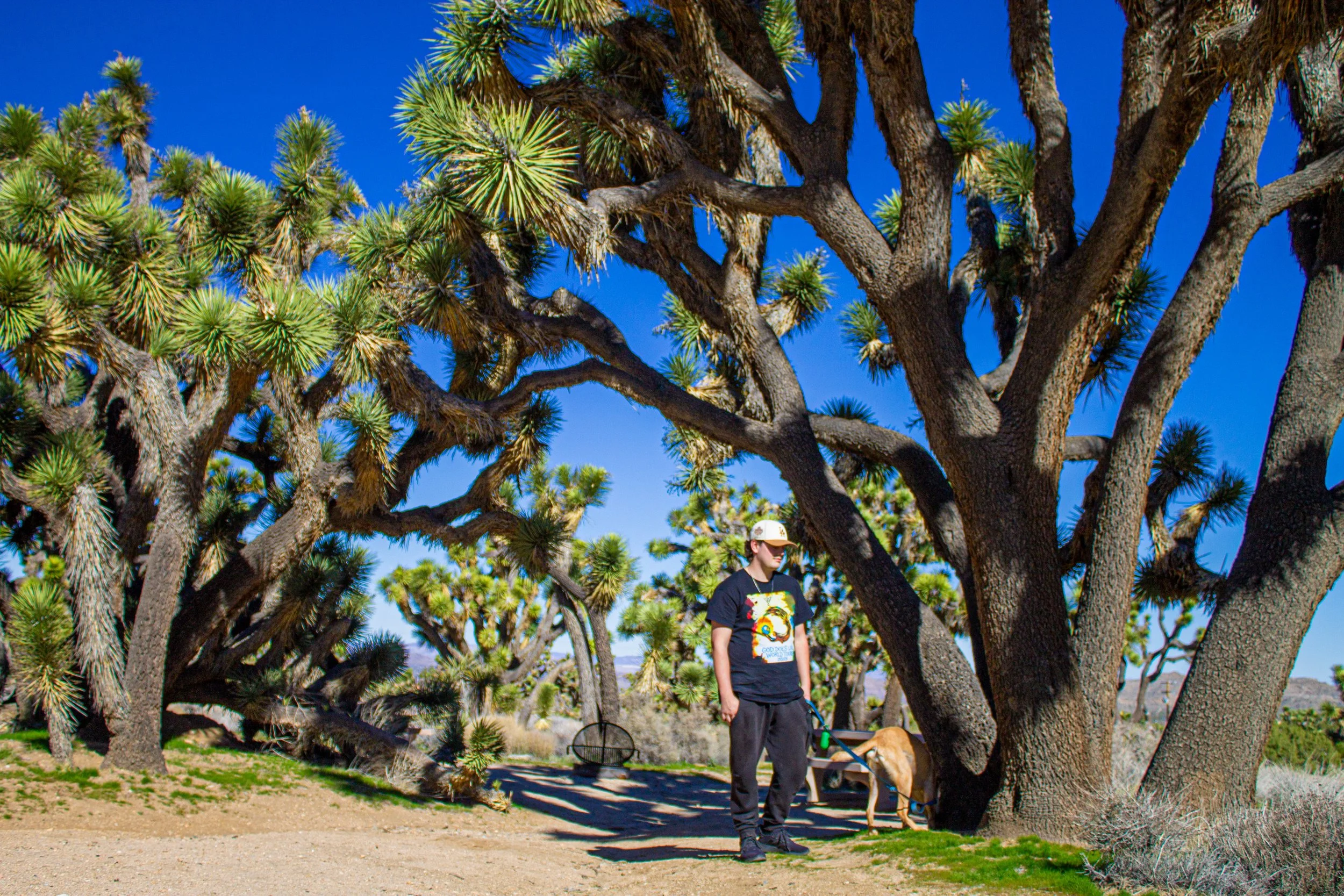
Miqhi Rickson and my dog Whisky at the Black Rock campsite in Joshua Tree. Photo by Yalina Harris.
“Vacation” is not a word often uttered by college students in the throes of tight budgets and stressful exams. Long Beach however, is just a few-hour drive from some of the most beautiful places in California. It’s impossible not to get the travel bug.
One of these gems is Joshua Tree National Park. Featuring tons of unique flora and about 300 miles of hiking trails, it is the 15th largest national park in the United. It is also only about three hours away from Cal State University Long Beach, making it the perfect trip for beginner climbers and backpackers.
This guide will teach you how to explore the beautiful Joshua Tree National Park and have a whole weekend of fun for under $200 per person when traveling with a buddy.
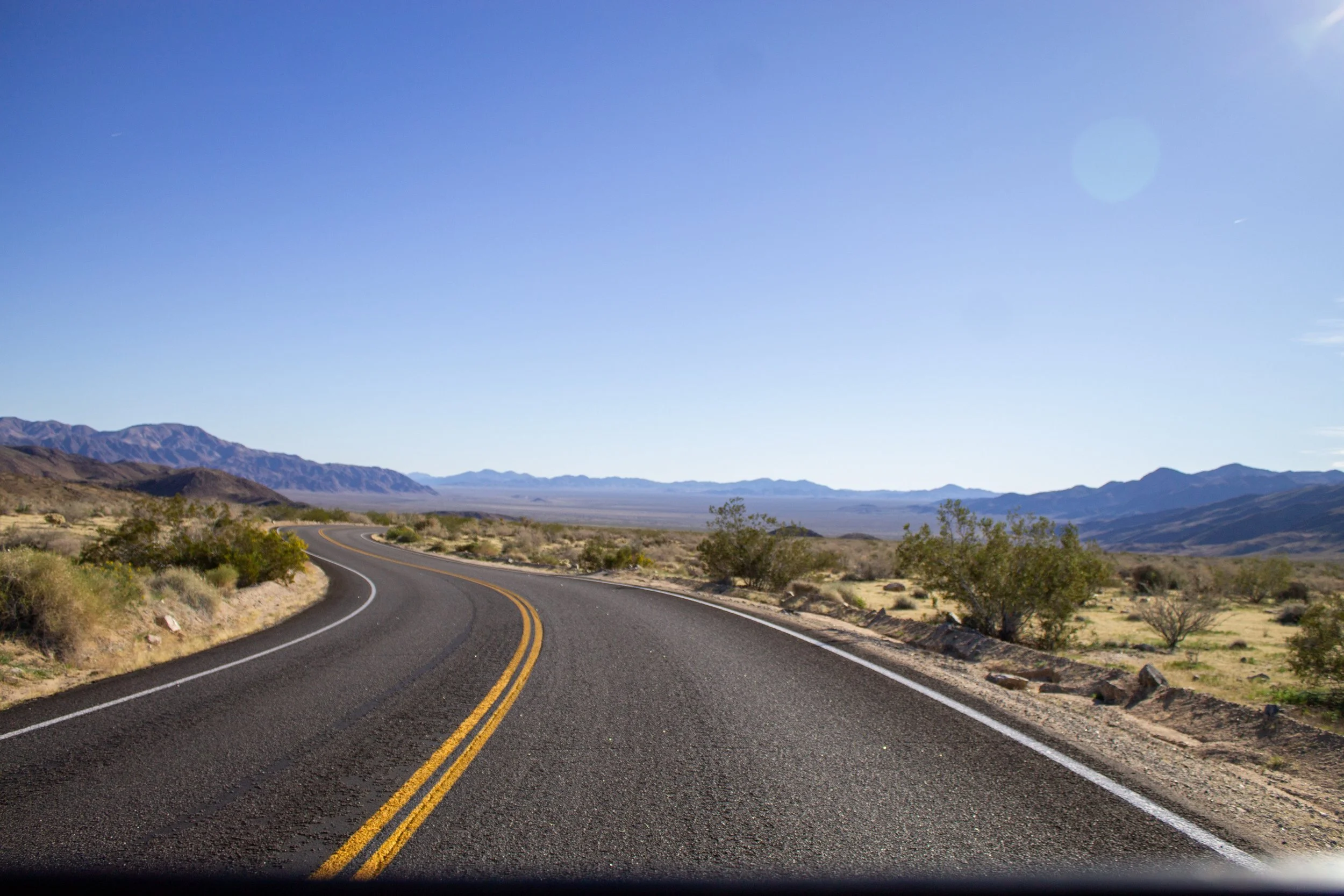
Passing through Pinto Basin road to get to the Salton sea. Photo by Yalina Harris.
Gas
Gas and a safe route come first when preparing for any road trip. The most fuel efficient route from CSULB is roughly 135 miles long using CA-91, but this will vary depending on where you live. In my 2012 Volkswagen Jetta, I get 300 miles on a full tank, averaging 27 miles per gallon.
On my trip, I used a tank and a half of gas because we explored neighboring cities like Indio, Palm Springs, and the Salton Sea. My total cost for gas was roughly $80.
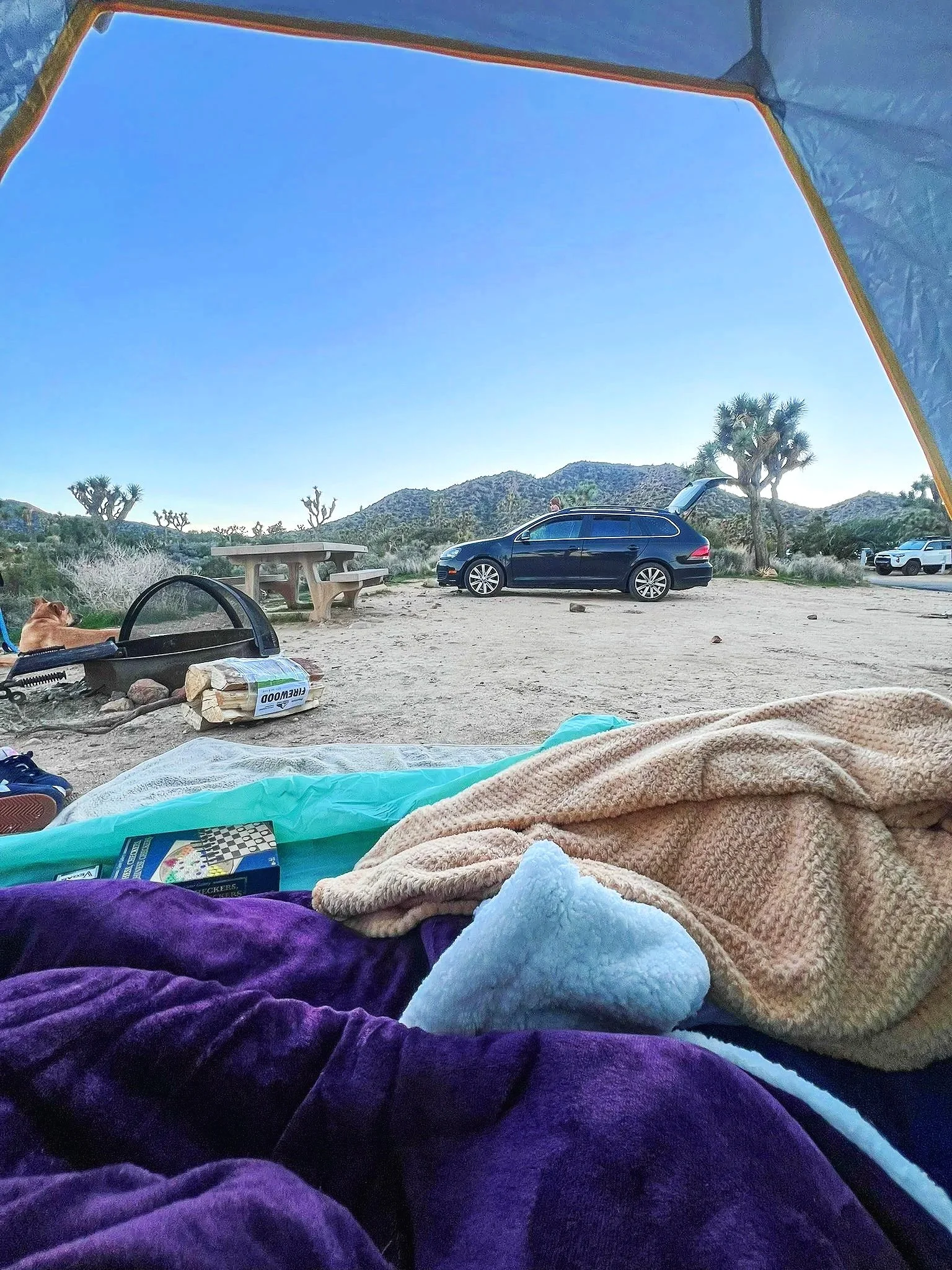
Our campsite at the Black Rock Campground in Joshua Tree. Photo by Yalina Harris.
Camping
Joshua Tree National Park has eight campgrounds total. Three of them are first come, first served and the other five are reservation only. Entrance to the park costs $30 per vehicle, which includes a seven-day pass that allows you to travel in and out of the park as you please.
I left on Friday morning and had already reserved a spot in the Black Rock Campground for Friday and Saturday night, which cost $70 total. The Blackrock Campground is on the northwest side of Joshua Tree, just south of the town of Yucca Valley.
On Sunday, my travel partner and I — my boyfriend — ventured into the national park and stayed at the first-come first-served Hidden Valley Campground, which cost only $15. The first-come first-serve campsites fill up fast, so we woke up at 7 a.m., packed up our camp and headed there to wait for a spot.
Camping equipment can get expensive. To stay budget-friendly, consider purchasing used camping equipment or borrowing from a friend. Nighttime temperatures can drop below 30 degrees, so bringing sufficiently warm bedding is a necessity. If you’re unable to thrift a tent, additional options are to car-camp, which is free, or purchase a used tent and sleeping bags online.
All of the campsites on the Black Rock site came equipped with grills and fire pits. We opted to purchase firewood from a local grocery outlet and cook over the open flame grill, using kitchen pans that we brought from home. Our total firewood cost was just $30.
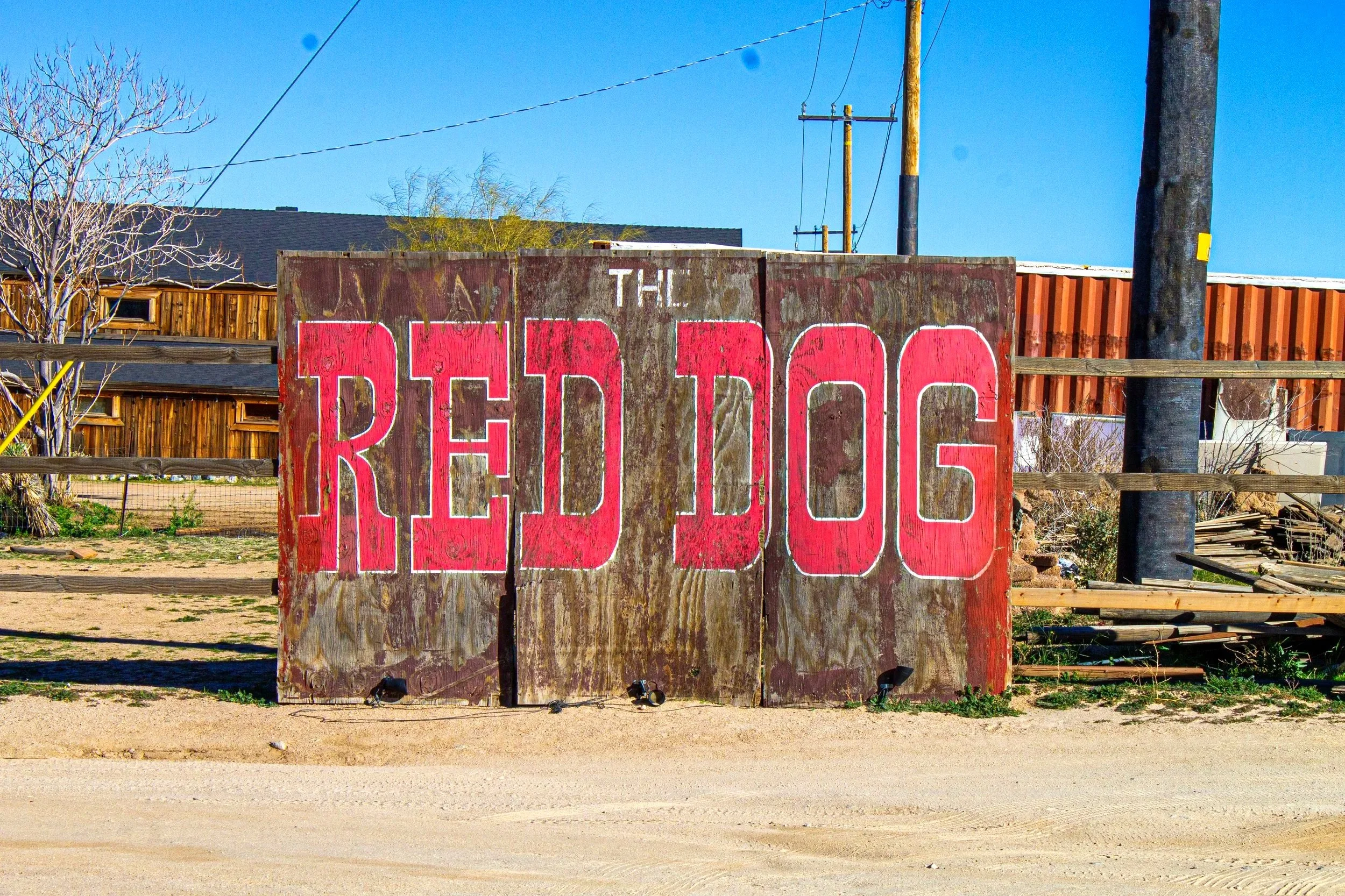
The Red Dog Saloon in Pioneer Town just 30 minutes away from the Black Rock campsite. Best Old fashions around! Photo by Yalina Harris.
Food
When being cost effective you have to make sacrifices somewhere. We chose to purchase food and cook at the campsite, which is exponentially cheaper than going out to eat every day. For my trip, we purchased pre-seasoned meat, veggies, protein bars and trail mix for hiking.
We stored all of our food in an ice chest, which we already owned, but if you don't own one, borrowing from a friend or purchasing one will add to your total cost. Ice will cost around $10.
We didn't need to purchase more food while there, but if necessary the Black Rock Campground is near Yucca Valley with a few local eateries. Once in the park, it becomes a longer journey to get food so make sure to prepare beforehand. Our total food cost was about $80.
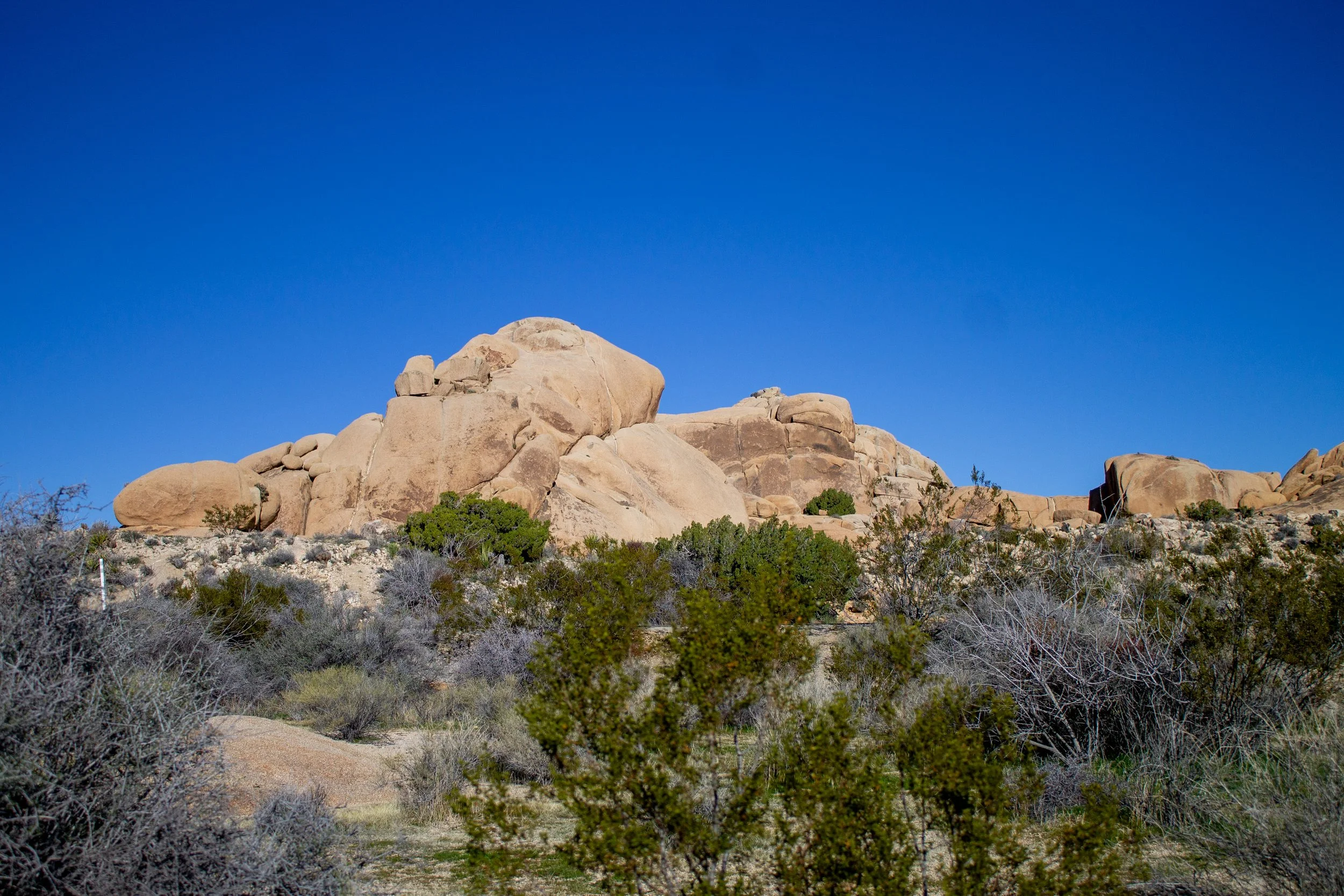
Rock formations in the Joshua Tree National park. before hiking skull rock. Photo by Yalina Harris.
Activities in Nature
The wonderful thing about being in the desert is that the main attraction — nature — is free! We spent most of our weekend hiking and taking photographs.
Our first hike was Skull Rock Trail. This trail is a 1.7-mile loop that took us about 2 ½ hours to complete. The rock formations and stacks throughout the trail were very unique. The wildlife was also very active, we saw so many lizards I couldn't even count. We also saw the American Robin, which is a transient winter bird, it has a bright orange belly and is relatively tiny to spot. This is a slow hike so we took our time and stopped for lunch about half-way through the hike at a larger rock formation.
Another great landmark, outside of Joshua Tree National Park, is the Salton Sea. To reach this location, we had to drive through the entire national park, but it provided some great photo opportunities along the way. The Salton Sea is a 348-mile long saltwater lake that sits between Riverside and Imperial County.
The Salton Sea was roughly 2 hours from our hiking trail and 2 hours from the Black Rock campground. We spent time doing an interactive bird watching tour at the Salton Sea which was completely free.
Friday afternoon after we checked into our campsite at Black Rock, we drove 30 minutes from our campsite to visit the Noah Purifoy Outdoor Desert Art Museum, which is free to experience. The museum is composed of about two tons of debris from the city of Los Angeles, and the themes revolve around redefining the Black creative consciousness through assemblage sculptures.
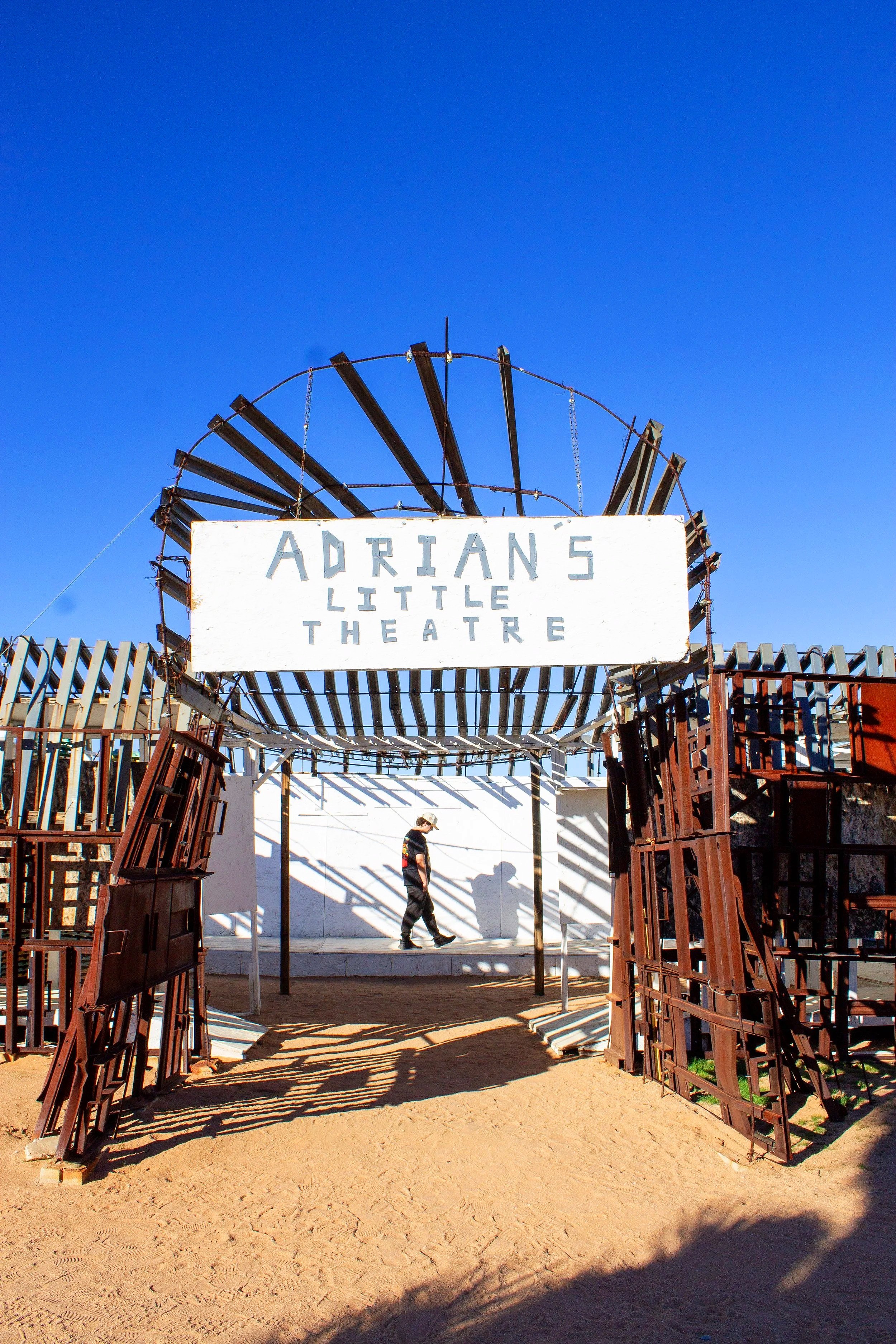
Adrians Little Theater is a larger assemblage piece in the Purifoy museum, resembling a large outdoor ampitheater. Miqhi Rickson takes the stage. Photo by Yalina Harris.
The artwork here is assemblage sculptures that at first glance look like trash, but upon further review tell the story of people’s lives. From tiny slanted houses to castles made of toilets, the artwork is a passion project of Purifoy’s life. My favorite piece was titled Adrien's little theater which appears like a Shakespearean outdoor amphitheater with a full stage, that we were able to walk across.
The museum is a self-guided tour and the garden is maintained through donations and the Noah Purifoy Foundation. This was a highlight of the trip and was a great opportunity for photography practice.
On Sunday morning, we headed to the Painted Canyon in Mecca Hills — about 40 minutes from Joshua Tree. The Painted Canyon trail is located on a dirt road and is somewhat difficult to access. Once you travel through a mile of dirt roads, you will reach the trailhead. The trail is a 4.7-mile loop hike through huge canyons.
The entire trail took us four hours (breaks included), and we both carried backpacks filled with light snacks and water. If you are looking to do this hike, I recommend getting there as early as possible to avoid the blistering heat and wearing a lot of sun protection.
As college students, we may be on a budget, but that doesn't mean we should shy away from fun experiences. In total, including miscellaneous expenses, our trip cost around $340, and my boyfriend and I split the cost, so my share came out to around $170. For a magical weekend hiking, viewing artwork and sleeping under the stars, it was so worth it.
