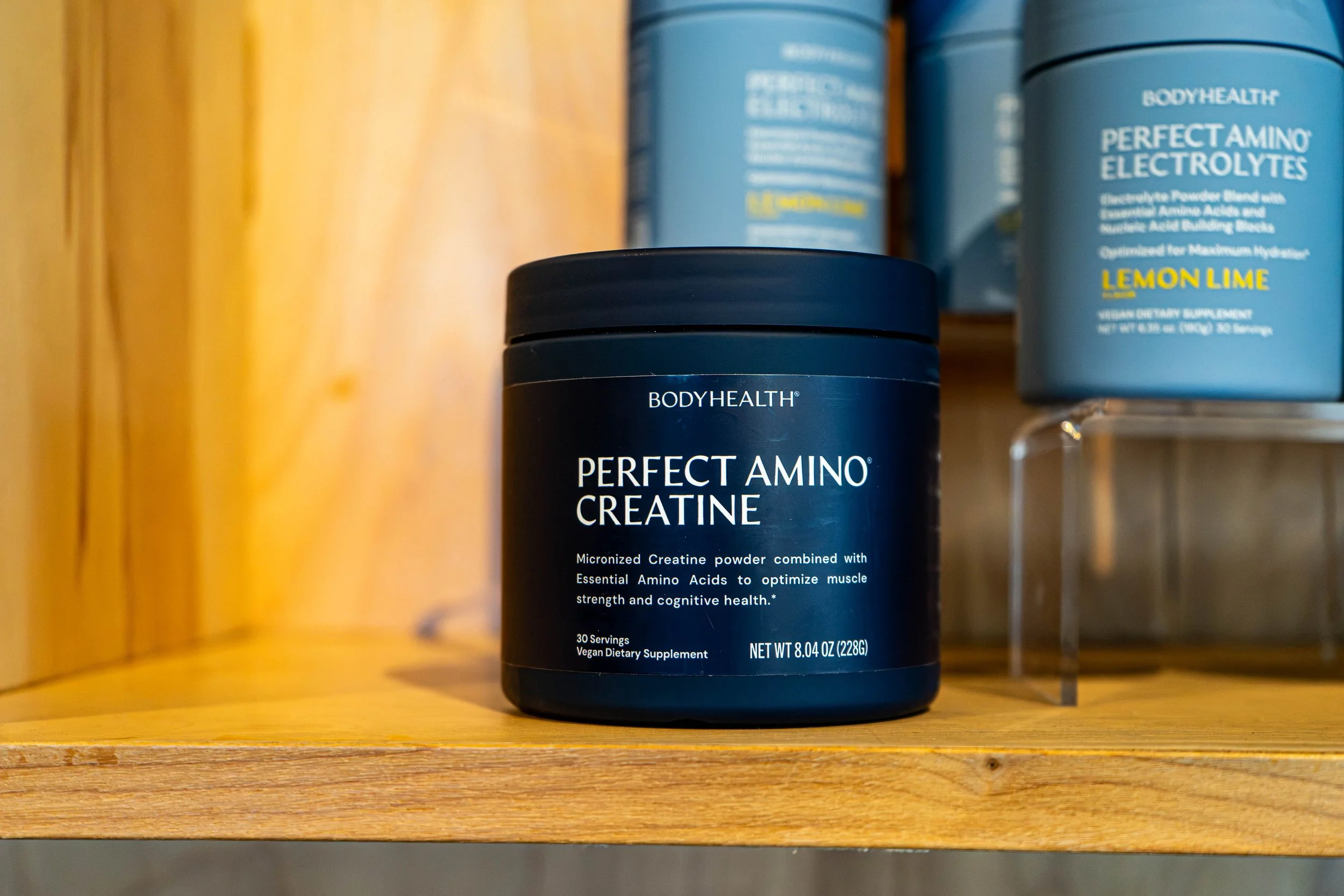
Body health creatine taken at a purple Yoga. Photo by Yalina Harris.
If you’ve spent more than five minutes in a college gym or scrolling through fitness TikTok, you’ve probably heard the buzz: creatine is everywhere. It’s mixed into pre-workout powders, stirred into iced coffee and packed into brightly colored gummies, promising fast results. But is creatine just another fleeting trend — or something closer to a scientific wonder? To answer that, it helps to rewind nearly two centuries.
From lab discovery to locker room staple
Creatine’s story begins in 1832, when French chemist Michel Eugène Chevreul first isolated the compound while studying meat muscle. For decades, creatine research made little to no trending strides and remained confined to academia. That changed in 1990, when Dr. Roger Harris found that short-term, high-dose supplementation could increase the amount of creatine stored in human muscle. Harris’ finding changed sports medicine and Olympic athletes became intrigued.
Linford Christie and Sally Gunnell, Olympic sprinters controversially used creatine to train for the 1992 olympic games. Shortly after the Portugal Olympics controversy, creatine became mainstream and was packaged to the masses in 1993. At the time creatine was debated and controversial for its safety and effectiveness. Today, those questions persist, but creatine is no longer niche. It is the most widely used supplement in gyms and among college students.
What is creatine?
Creatine is not a synthetic compound. It occurs naturally in the body and is produced in the liver using three amino acids: L-arginine, glycine and methionine. Most creatine is stored in muscle tissue, where it helps generate quick bursts of energy. That makes it especially useful for short, high-intensity activities. It can also reduce protein breakdown, which may support muscle growth and recovery. It’s why gym-fluncers are always using it in their glute growth routine.
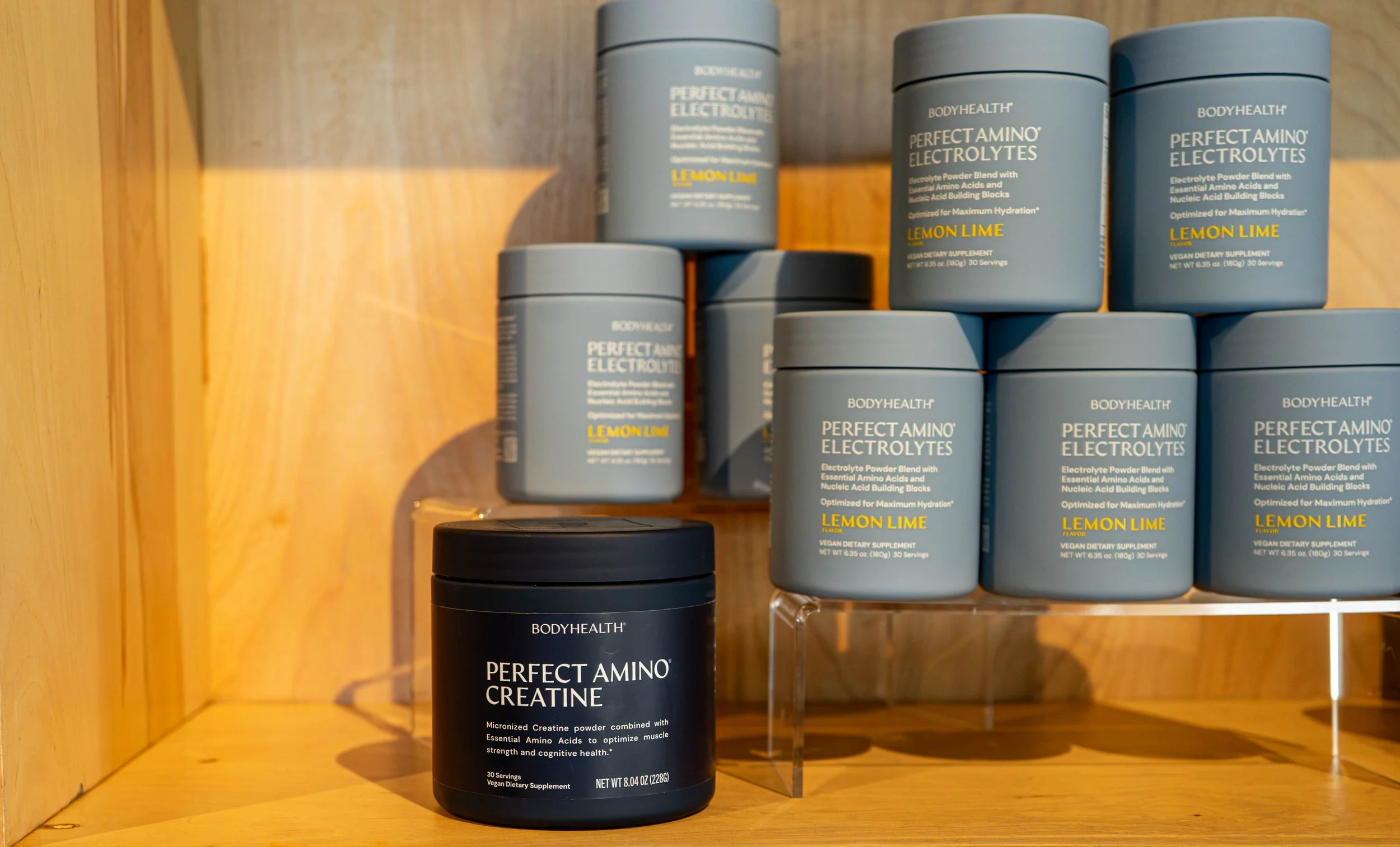
Body health creatine taken at a purple Yoga. Photo by Yalina Harris.
Potential health benefits
While often associated with superficial vanity and muscle gain, creatine’s benefits may extend beyond appearance. Dr. Kurt Escobar, a kinesiology professor at Cal State University, Long Beach, said creatine is safe for most people, he is currently researching the supplements benefits on people with high blood glucose.
“Creatine could be recommended for exercise with people that have diabetes or high blood glucose,” Escobar said. “It would be beneficial because, what our data showed is that creatine's gonna allow you to do more exercise at a higher intensity.”
Escobar said preliminary findings show creatine may temporarily raise blood glucose levels, but the increased exercise capacity could support overall health. His research is ongoing.
“In general, creatine supplementation is beneficial for anyone who is active, anyone that exercises,” Escobar said. “Even anyone that is not super active — there’s more and more research coming out all the time.”
Research
Creatine is one of the most extensively studied supplements available, with more than 1,000 studies and hundreds of clinical trials. Dr. Evan Shick, a kinesiology professor at CSULB, said that while taking creatine without exercise is fine, it's most effective with zone 5 workouts.
“For the past 30-plus years, a veritable mountain of high-quality research has shown that creatine supplementation is effective in aiding activities that rely on high strength and power — sprinting, jumping, lifting weights,” Shick said.
“It is not effective in improving endurance performance because endurance events do not depend on creatine phosphate as a fuel source for contraction.”
Research on cognitive benefits is less conclusive.
“Its effects on cognitive performance, like memory, aren’t supported by a ton of high-quality research,” Shick said. “So I’d say there’s only mild, but potentially growing, evidence in that realm.”
Misconceptions and risks
Despite its strong research base, influencers and marketing teams have spread misinformation about creatine's miracle potential. Some influencers have even promoted excessive dosing or claim that “loading phases” are necessary. Experts say those claims are often overstated. Because of this Escobar warned about the supplement industry’s lack of regulation.
“Even though creatine is generally accepted as safe, the supplement industry and the supplement marketing is really sketchy,” Escobar said. “You don’t know that the supplement you’re buying is actually creatine. There’s next to no regulation on supplement companies.”
Should college students use it?
For most healthy individuals, creatine is considered low risk and potentially beneficial, particularly for those who are physically active. Still, experts recommend consulting a physician before starting any supplement, especially for those with underlying health conditions. Overall, Creatine is not a cure-all. It will not replace consistent training, balanced nutrition or adequate rest. But it is more than a passing trend. Backed by decades of research, creatine remains one of the few supplements that consistently delivers measurable results — particularly in strength and power performance. For college students navigating wellness trends creatine is an okay place to start the journey.
